God's Righteous Judgment and Justice
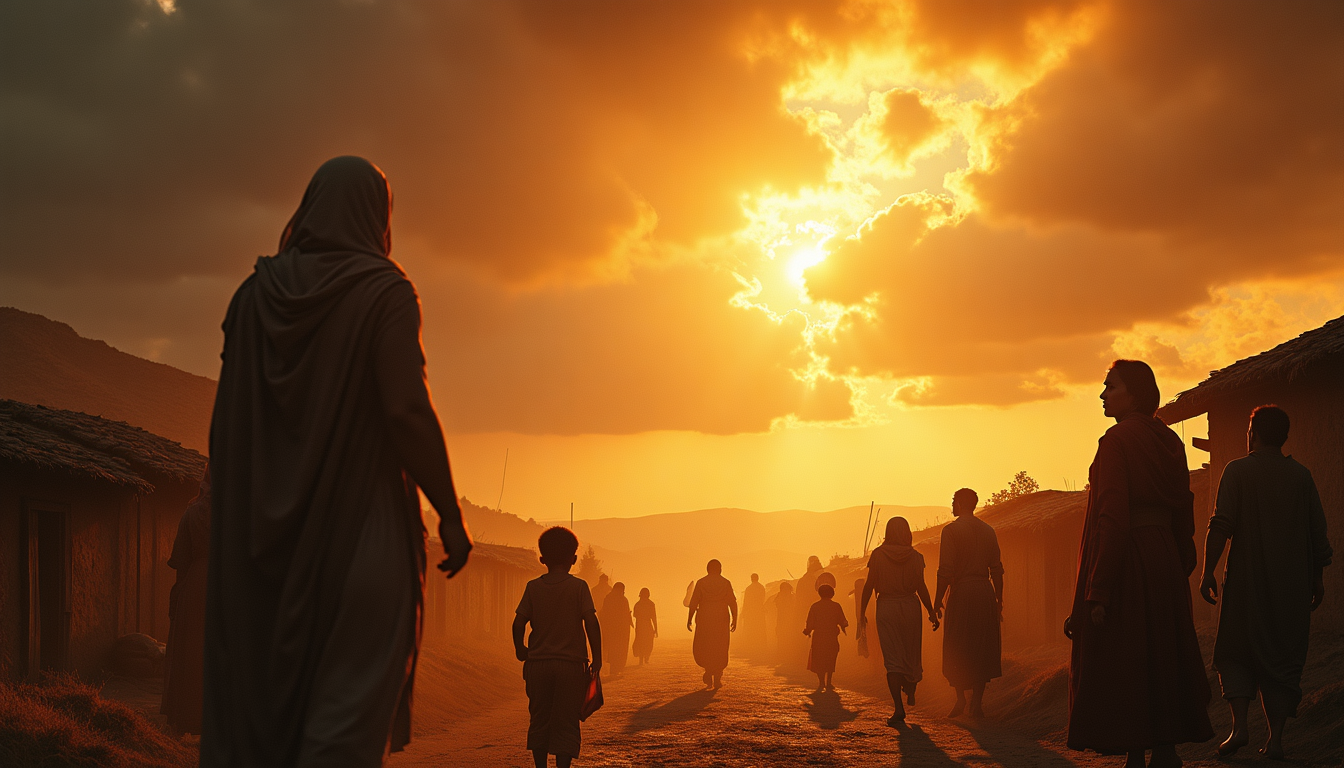
God's Righteous Judgment and Justice
Understanding the Nearness of God in Accountability
"And I will come near to you to judgment; and I will be a swift witness against the sorcerers, and against the adulterers, and against false swearers, and against those that oppress the hireling in [his] wages, the widow, and the fatherless, and that turn aside the stranger [from his right], and fear not me, saith the LORD of hosts."
- Malachi 3:5 (KJV)
In Malachi 3:5, God reveals a powerful truth about His character and His dealings with His people. He declares, “And I will come near to you to judgment; and I will be a swift witness against the sorcerers, and against the adulterers...” This verse reminds us that God is not distant or indifferent, but intimately involved in the moral fabric of our lives.
The Lord's nearness in judgment is both a warning and a comfort. It warns us that sin cannot be hidden or ignored, especially sins that wound the vulnerable and break covenant faithfulness. Yet, it comforts those who seek justice and long for a God who sees every injustice and will act swiftly on behalf of the oppressed.
This passage challenges us to examine our own hearts and communities. Are we living a holy life that is pleasing to God? Do we protect the widow, the fatherless, the stranger, and the laborer? Today, let us explore how God’s judgment reflects His deep commitment to justice and mercy.
God’s Nearness in Judgment
God promises to come near to His people to enact judgment. This nearness signifies His personal involvement and intimate knowledge of our actions. God is not a remote judge but one who witnesses all things. He is all-seeing and all knowing
Condemnation of Sin and Injustice
The sins listed—sorcery, adultery, false swearing—are serious breaches of God’s covenant and moral law. Equally serious are social injustices like oppressing the laborer’s wages or turning away the stranger. God condemns both personal and societal sins.
Protecting the Vulnerable
God’s judgment highlights His care for the widow, fatherless, stranger, and hired worker. These groups represent the vulnerable in society, and God’s heart is deeply troubled by their mistreatment. He calls His people to reflect this care in their daily lives.
The Fear of the Lord
The passage ends with a call to reverence: “and fear not me, saith the LORD of hosts.” To fear the Lord is to live in awe and obedience, acknowledging His authority and justice. This fear leads us to live righteously and protect others.
Malachi 3:5 challenges us to live with an awareness of God’s righteous judgment and His passionate concern for justice. When we walk in His fear, we align ourselves with His heart, honoring Him by loving and defending the vulnerable.
May we be a people who welcome God’s nearness—not with fear of condemnation alone, but with grateful hearts that embrace His justice, mercy, and holiness. Let us commit to living lives marked by integrity and compassion, knowing God sees and acts for those who suffer.
Questions for Reflection
- In what ways do I need to acknowledge God’s nearness and judgment in my life?
- How am I caring for or advocating on behalf of the vulnerable in my community?
- What sins or injustices do I need to confess and turn away from in obedience to God’s call?
Daily Prayer
Lord God of hosts, I thank You for Your presence that comes to judge justly and swiftly. Help me to live in reverence of You, turning away from sin and standing up for those who are vulnerable. Teach me to reflect Your heart of justice and mercy in every area of my life. May Your Spirit guide me to act with integrity and compassion, honoring You in all I do. In Jesus’ name, Amen.